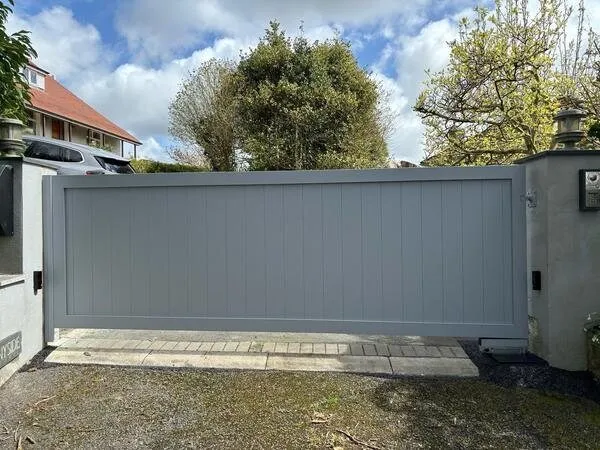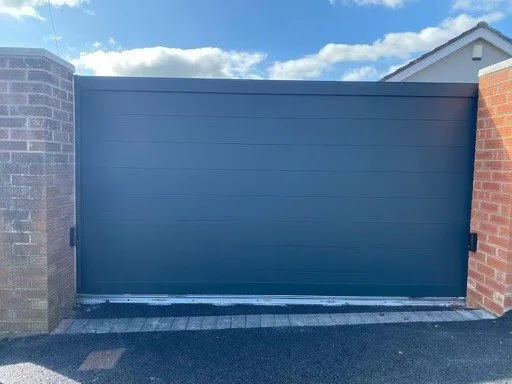
Picture a sliding gate on a drive in Wellswood that's stopped halfway for the third time this month. The easy fix is a cheap motor off the internet and a mate with a drill. Before anyone does that, it's worth knowing what the Door & Hardware Federation (DHF) has been telling the gate trade. The old European Machinery Directive, 2006/42/EC, is withdrawn for good on 21 January 2027 and replaced by the new Machinery Regulation (EU) 2023/1230, and the DHF has put out fresh guidance so installers know where they stand.
Here in the UK, powered gates come under the Supply of Machinery (Safety) Regulations 2008. The government has said it won't just copy the EU rules across. A UK version is expected to follow them broadly, but there's no date yet. So for a house in Babbacombe or Shiphay nothing changes overnight. What doesn't change at all is the basic point. Once a motor goes on a gate, that gate is a machine, and whoever automates it takes on the manufacturer's legal duties.
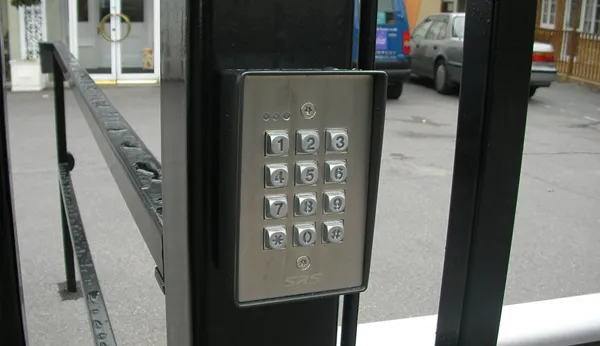
That means paperwork, and you should be handed it. A Declaration of Conformity. UKCA or CE marking on the gate itself. A risk assessment for your entrance. And the results of force testing to BS EN 12453, done with a calibrated force meter at several points along the closing edge, not a guess with a boot. A 4 metre steel sliding gate can weigh 250kg or more, so the safety edges and photocells aren't optional extras.
Swapping an old 230V ram for a 24V kit on a pair of timber gates in St Marychurch counts too. And so does a new control board on an existing system. Change how the gate moves or stops and the safety has to be checked again from scratch. If nobody can show you test results after the work, that's your answer.
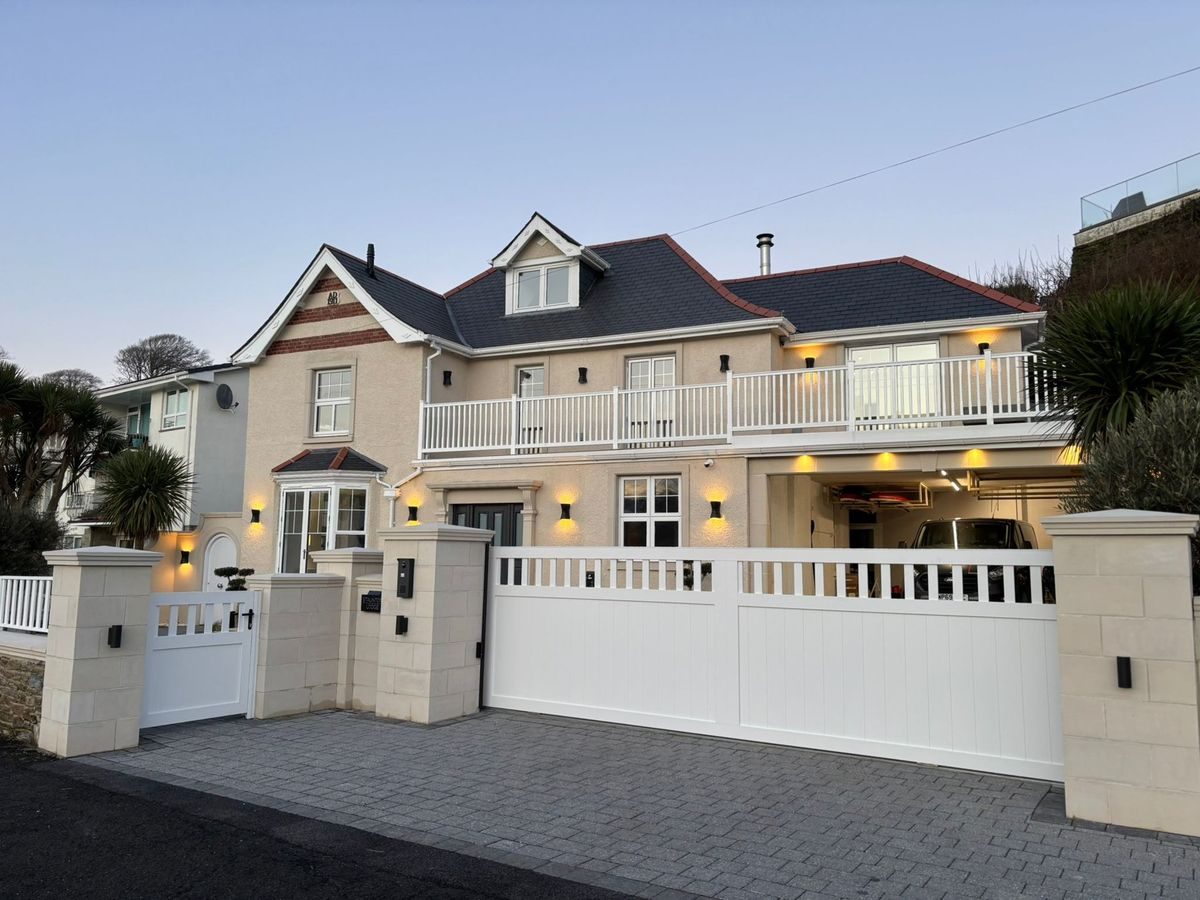
Automated Gate Co. fit and service automatic gates across Torquay and South Devon, and the testing and paperwork come as part of the job. If yours have been changed over the years and nobody's checked them since, have a look at automatedgatestorquay.co.uk.